Why Refrigerator Water Filters Matter (Water Quality, Health & Appliance Protection)
This guide explains why refrigerator water filters matter and why replacing them regularly is essential for clean, safe drinking water.
Find Your Refrigerator Water Filter
Type your fridge brand or model number — we’ll find the exact replacement.
Shop by brand
10 most popular models — tap yours to find the filter
Improves Water Quality and Taste
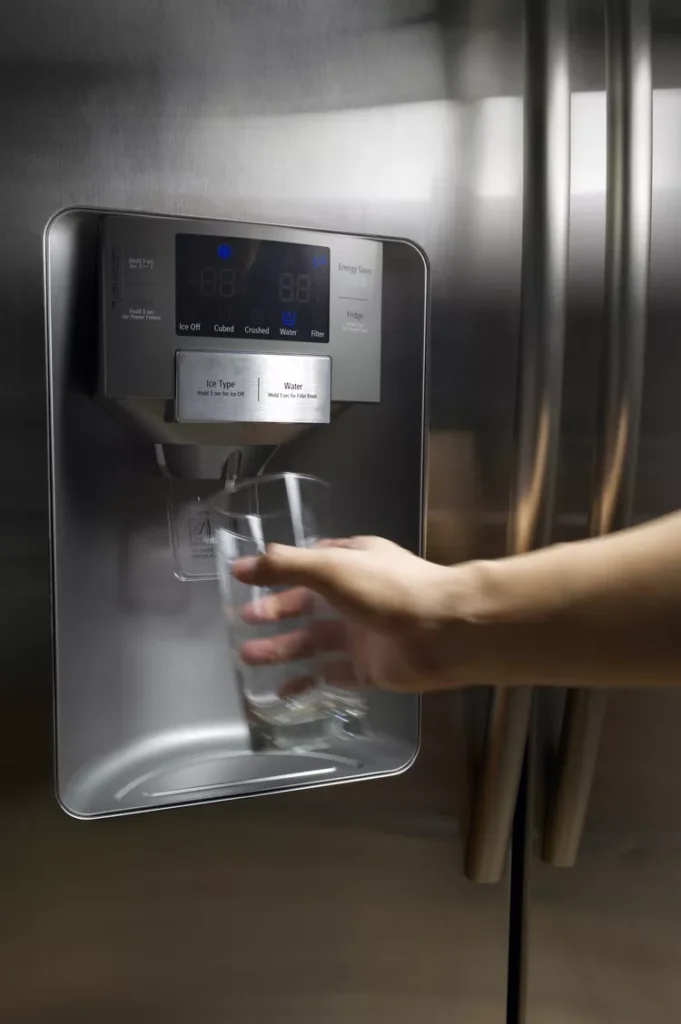
Refrigerator water filters help remove chlorine, sediment, and other contaminants that can affect the taste and smell of your drinking water.
Supports Healthier Drinking Water
Replacing your refrigerator water filter regularly helps reduce exposure to contaminants, making your drinking water safer for you and your family.
Protects Your Refrigerator System
A clean water filter helps prevent buildup in your refrigerator’s water system, which can improve performance and extend the life of your appliance.
How Often Should You Replace Your Water Filter?
Most refrigerator water filters should be replaced every 6 months to maintain water quality and proper flow.
Most people replace their refrigerator water filter because the reminder light turns on. But very few understand why the filter actually matters.
A refrigerator water filter does more than improve taste. It helps reduce specific contaminants, protects internal refrigerator components, and ensures consistent water and ice quality.
Understanding what your filter does — and what it doesn’t do — helps you make smarter replacement decisions and avoid unnecessary health concerns.
What Does a Refrigerator Water Filter Actually Do?
Refrigerator water filters are designed to reduce specific contaminants commonly found in municipal water supplies. Most certified filters reduce:
• Chlorine (taste and odor)
• Lead
• Mercury
• Certain pesticides and industrial chemicals
• Some pharmaceuticals (in select certified models)
• Sediment and particulate matter
Most refrigerator filters use activated carbon technology. Carbon works by adsorbing contaminants as water passes through the filter cartridge.
It’s important to understand that refrigerator filters are not the same as whole-house filtration systems or reverse osmosis systems. They are designed primarily to improve drinking water quality at the point of use.
Why Water Filter Replacement Is Important
Over time, water filters become saturated. When that happens:
• Contaminant reduction decreases
• Water flow slows down
• Ice production may drop
• Taste and odor can return
A saturated filter does not “dump contaminants” back into your water, but it can lose effectiveness.
Most manufacturers recommend replacing refrigerator water filters every 6 months or after a specified gallon capacity (often 200–300 gallons).
Replacing the filter on schedule ensures consistent water quality and protects internal refrigerator components from sediment buildup.
Health Considerations and Water Quality
For most households connected to treated municipal water, refrigerator water filters serve as an added layer of protection.
They are especially useful in areas where:
• Chlorine taste is strong
• Older plumbing may introduce trace metals
• Water quality varies seasonally
Certified filters that meet NSF standards are tested for contaminant reduction. When choosing a replacement, always verify NSF certification claims.
While refrigerator filters improve water quality, they are not designed to eliminate all possible contaminants. If you have concerns about your water supply, consider reviewing your local water quality report.
Do Compatible Filters Work as Well as OEM Filters?
Many refrigerator brands sell OEM (original equipment manufacturer) filters. These are produced or licensed by the appliance manufacturer.
Compatible filters are produced by third-party manufacturers.
The performance difference depends on:
• Certification standards
• Build quality
• Seal design
• Carbon media quality
Certified compatible filters that meet NSF 42 and NSF 53 standards can perform similarly to OEM options. However, extremely low-cost unverified filters may not provide the same level of contaminant reduction or fit reliability.
If you are comparing options, review our detailed OEM vs compatible refrigerator filter guide before choosing a replacement.
Appliance Protection Benefits
Beyond drinking water quality, refrigerator filters also help protect:
• Water inlet valves
• Ice maker components
• Internal tubing
Sediment and mineral buildup can reduce efficiency and potentially shorten component lifespan. Maintaining a clean filter supports smoother operation and consistent water flow.
How to Choose the Right Replacement Filter
To choose the correct refrigerator water filter:
- Locate your refrigerator model number (inside the door frame).
- Confirm the required filter model (example: LT1000P, EDR2RXD1, XWFE).
- Verify certification and compatibility.
- Replace the filter every 6 months or as recommended.
If you need help identifying your filter model, see our complete refrigerator filter model lookup guide.
Final Thoughts
Refrigerator water filters play a simple but important role in maintaining water quality and appliance performance.
Replacing your filter regularly ensures:
• Cleaner tasting water
• Reliable ice production
• Reduced contaminant exposure
• Proper refrigerator function
Understanding why filters matter makes it easier to choose the right replacement and maintain consistent performance over time.
Find the Right Water Filter Replacement
Ready to replace your filter? Start here:
- Find your refrigerator water filter
- Whirlpool water filters
- Samsung water filters
- Frigidaire water filters
- Refrigerator Filter Replacement Homepage
- Which Refrigerator Water Filter Do I Need?
- Find Your Refrigerator Water Filter by Brand
- Why Does My Refrigerator Water Taste Bad?
- Why Does My Refrigerator Water Filter Smell Bad?
- Is Your Refrigerator Water Making You Sick?
- How Often Should You Replace Your Filter?
Frequently Asked Questions
Why do refrigerator water filters matter?
They help improve water taste, reduce unwanted contaminants, and protect your refrigerator’s internal system from buildup and damage.
Can an old filter affect water quality?
Yes. Over time, filters lose effectiveness and can allow taste, odor, and other issues to develop.
Do refrigerator water filters protect the appliance?
Yes. Filters help reduce sediment and buildup that can affect internal components and water flow.
What happens if I don’t replace my water filter?
You may experience bad taste, odor, slow water flow, and reduced performance over time.
How often should I replace my refrigerator water filter?
Most filters should be replaced every 6 months, but usage and water quality can require more frequent changes.
Can a bad filter damage my refrigerator?
It can contribute to buildup and reduced performance, which may lead to issues over time.
Do all refrigerator water filters work the same?
No. Filters vary by model and quality. Using the wrong or poor-quality filter can lead to performance issues.
How do I know if my filter is no longer working?
Signs include bad taste, odor, cloudy water, slow flow, or a filter indicator light.