
Are Refrigerator Water Filters Worth It?
are-refrigerator-water-filters-worth-it
Last Updated: February 2026
Yes, refrigerator water filters are worth it for most households. They help reduce chlorine taste and odor, improve drinking water quality, and protect your refrigerator’s internal water system from sediment buildup. While the cost of replacement filters can add up, using a properly certified refrigerator water filter helps ensure cleaner water and better-tasting ice compared to using an old filter or no filter at all.
Are refrigerator water filters actually worth the cost, or are they just another recurring expense?
Understanding what these filters remove, how they protect your appliance, and how they affect water quality can help you decide whether regular replacement makes sense for your household.
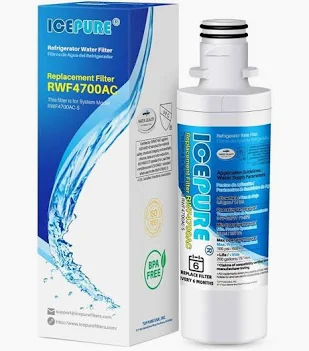
How Refrigerator Water Filters Work
Refrigerator water filters typically use activated carbon to reduce contaminants in drinking water. As water passes through the filter, the carbon material helps absorb chlorine, certain chemicals, and other particles that can affect taste and odor.
Most modern refrigerator filters are also certified to reduce specific contaminants depending on the model, which can include lead, cysts, or sediment. The result is cleaner-tasting water and ice delivered directly from your refrigerator’s water dispenser.
Benefits of Using a Refrigerator Water Filter
Refrigerator water filters provide several practical benefits for everyday use. The most noticeable improvement is better tasting water and ice, since many filters reduce chlorine and other compounds that cause unpleasant flavors.
Using a refrigerator filter can also help remove certain contaminants that may be present in municipal water systems. While tap water in most areas is already treated and safe, a certified refrigerator filter can add an extra layer of filtration.
Another benefit is protecting the refrigerator’s water system itself. Filters help capture sediment and particles that could otherwise build up inside the water lines and dispenser components over time.
Are Refrigerator Water Filters Necessary?
Refrigerator water filters are not strictly required for a refrigerator to function, but they are strongly recommended if you regularly use the water dispenser or ice maker.
Without a filter, tap water flows directly into the refrigerator’s water system. This can result in poorer taste and may allow sediment or particles to enter the internal lines over time.
Most refrigerator manufacturers also design their systems expecting a filter to be installed. Using the correct filter helps maintain water quality, protects internal components, and ensures the dispenser and ice maker operate as intended.
How Often Should You Replace a Refrigerator Water Filter?
Most refrigerator manufacturers recommend replacing the water filter every six months. This replacement schedule helps ensure the filter continues to remove contaminants effectively and maintains proper water flow.
If a filter is left in place for too long, it can become clogged with particles and lose its ability to improve taste and odor. In some cases, water flow from the dispenser may also slow down.
Households that use the water dispenser frequently or have higher sediment levels in their water may need to replace filters even sooner to maintain the best water quality.
Do Refrigerator Water Filters Improve Taste and Water Quality?
Yes, refrigerator water filters can noticeably improve the taste and smell of drinking water. Many filters are designed to reduce chlorine, which is commonly used in municipal water treatment and is a major cause of unpleasant taste or odor.
Activated carbon inside the filter helps absorb chlorine and certain organic compounds that affect flavor. This is why filtered refrigerator water often tastes cleaner and fresher than unfiltered tap water.
Improved taste also leads many households to drink more water and rely less on bottled water, making refrigerator filtration both convenient and cost-effective over time.
Related Refrigerator Water Filter Guides
If you are looking for a specific refrigerator water filter replacement, these guides may help:
- EDR2RXD1 Water Filter Replacement Guide
- LG LT1000P Water Filter Replacement Guide
- Replacement for EveryDrop Filter 4 (EDR4RXD1)
What Do Refrigerator Water Filters Actually Do?
Refrigerator water filters are designed to reduce contaminants commonly found in tap water. Depending on the filter model, they may reduce substances such as chlorine, sediment, lead, and certain other impurities.
Filters also improve the taste and odor of drinking water and ice by removing chlorine and other treatment byproducts.
While they do not turn tap water into bottled water quality, they can significantly improve clarity and taste.
Do Refrigerator Water Filters Remove Harmful Contaminants?
Many refrigerator water filters are certified to reduce specific contaminants, including lead, cysts, and certain chemicals. Certification standards such as NSF/ANSI ratings indicate which substances a filter has been tested to reduce.
However, filtration performance depends on the exact model and proper replacement schedule. A filter that is overdue for replacement may not perform as effectively.
Always check the specifications for your specific filter model to confirm which contaminants it is certified to reduce.
How Much Do Refrigerator Water Filters Cost?
Most refrigerator water filters range from approximately $30 to $60 per replacement, depending on the brand and model.
Since filters are typically replaced every six months, that usually translates to $60–$120 per year for clean, filtered water directly from your refrigerator.
Compatible filters may cost less, while OEM filters are often priced at the higher end of the range.
Are Refrigerator Water Filters Worth It Compared to Bottled Water?
When compared to regularly purchasing bottled water, refrigerator water filters are often more cost-effective over time.
A single case of bottled water can cost $5–$10, and frequent purchases quickly exceed the annual cost of replacing a refrigerator filter.
For households that drink water daily, replacing a refrigerator water filter is typically more economical and more environmentally friendly than relying on bottled water.
When Might a Refrigerator Water Filter Not Be Worth It?
A refrigerator water filter may not provide significant value if your home already uses a whole-house filtration system or a high-quality reverse osmosis system.
In those cases, the refrigerator filter may serve as an additional layer rather than the primary filtration source.
Additionally, if you rarely use the refrigerator’s water or ice dispenser, replacement may feel less necessary.
So, Are Refrigerator Water Filters Worth It?
For most households, refrigerator water filters are worth replacing on schedule. They improve water taste, reduce certain contaminants, and help maintain the performance of your refrigerator’s water system.
The overall cost is relatively low compared to bottled water and provides convenient access to filtered water directly from your kitchen.
The key is making sure you choose the correct replacement filter for your specific refrigerator model.
Find the Correct Replacement for Your Refrigerator
Before ordering, confirm the exact model number printed on your current filter. Using the wrong model may result in improper fit or reduced performance.
You can browse replacement guides for popular refrigerator filter models below:
Now add a List block and link at least 8–10 strong SKU pages:
- GE MWF
- GE XWFE
- LG LT1000P
- Samsung DA29-00020B
- Frigidaire WF3CB
- EveryDrop EDR4RXD1
- EveryDrop EDR5RXD1
- LG LT120F
- Samsung HAF-EX
- Frigidaire ULTRAWF
If you’re unsure which filter your refrigerator uses, start by finding your model number and then compare compatible options for your specific SKU.
Browse all refrigerator water filter replacement options here.